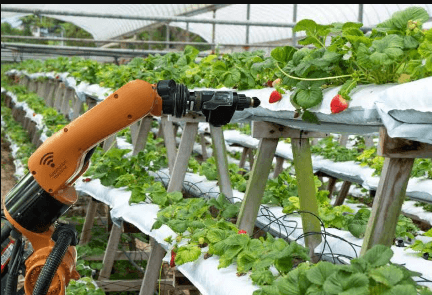
AI is shaping a more sustainable farming future through data-driven insight and ecological mindfulness. Sensors, analytics, and adaptive management translate environmental signals into precise actions, improving resource use, soil health, and biodiversity. The approach spans disciplines—from agronomy to ethics—and calls for transparent governance and inclusive pilots. As systems become more resilient and equitable, producers and communities confront choices that will define food security for decades to come. The path invites closer examination.
Explaining AI’s Role in Sustainable Farming
AI technologies are reshaping agriculture by turning data into actionable insights that optimize resource use, crop health, and resilience. The explanation centers on models interpreting ecosystems, forecasting risks, and guiding decisions without coercion. This view emphasizes adaptive yield, elevating equitable access and resilient food systems. Ethical AI underpins trust, transparency, and accountability across practices, disciplines, and communities.
How Sensors and Data Drive Resource Efficiency
Sensors and data streams act as the nervous system of modern farms, translating environmental signals into precise, actionable guidance for resource use.
This vision relies on soil sensing, sensor networks, and data integration to monitor moisture, nutrients, and microclimates.
Through irrigation optimization and adaptive management, farms reduce waste, increase resilience, and align production with ecological limits and human freedom.
From Automation to Resilience: AI in Pests, Diseases, and Soil Health
From automation to resilience, AI-enabled systems integrate pest and disease surveillance, soil health metrics, and predictive analytics to create adaptive, ecologically informed management. The approach envisions coordinated monitoring, data fusion, and flexible interventions that respect ecosystems, empower growers, and reduce collateral harm. Pest prediction grows proactive defenses, while attention to the soil microbiome sustains productivity, resilience, and freedom to innovate.
Making AI Practical: Adoption, Evaluation, and Safeguards
Facilitating practical AI adoption in sustainable farming requires a disciplined melding of demonstration, evaluation, and governance that spans technical, social, and ecological dimensions.
The narrative discerns adoption bias as a risk, demanding transparent pathways and inclusive pilots.
Evaluation metrics anchor progress, while safeguards insist on accountability, resilience, and ethics, enabling practitioners to align innovation with ecological stewardship and collective freedom.
Frequently Asked Questions
What Are the Upfront Costs and ROI for AI in Small Farms?
The upfront costs vary; ROI for AI in small farms hinges on productivity gains and labor shifts, while data privacy and ownership issues, human labor replacement, ecological risks, and AI for developing countries shape sustainable, freedom-minded adoption.
How Do Farmers Protect Data Privacy and Ownership?
Farmers protect data privacy and ownership by implementing clear data ownership policies, opt-in consent, and robust privacy safeguards; governance structures integrate legal, technical, and ethical perspectives, ensuring data stewardship aligns with autonomy, transparency, and interdisciplinary stewardship for freedom and trust.
Can AI Replace Human Labor Entirely in Farming?
AI automation cannot fully replace human labor in farming; instead, it reshapes roles. It must address labor displacement, data privacy, ecological risk, AI governance, and include developing countries’ needs within a visionary, interdisciplinary framework for freedom.
What Are the Long-Term Ecological Risks of Ai-Driven Farming?
A striking 60% efficiency gain illustrates potential, yet long term ecological risks persist: AI-driven farming may alter nutrient cycles, pollinator dynamics, and soil microbiomes. Insightful AI governance is essential to safeguard biodiversity, resilience, and equitable, freedom-loving agricultural futures.
See also: nswpolicenews
How Can AI Support Farmers in Developing Countries?
AI can empower farmers in developing countries by enhancing yields, resilience, and market access, while respecting data sovereignty and policy alignment, honoring local knowledge and access equity; enabling an interdisciplinary, visionary approach that preserves freedom and autonomy.
Conclusion
In a future where data flows like a river through fields, AI acts as the guiding current—steering resources, timing interventions, and harmonizing yields with ecological limits. This vision threads sensors, analytics, and farmer expertise into resilient, just food systems. The work is interdisciplinary and ethical: transparent governance, inclusive pilots, and continuous evaluation. As we align innovation with stewardship, AI becomes not a replacement but a companion—an intelligent compass shaping sustainable farming for people and planet alike.